Insight
Lung conditions are an area of huge inequality, with the biggest impact falling on the poorest communities in the UK (1). These inequalities are also reflected in interstitial lung disease (ILD), an umbrella term for more than 200 conditions that affect the lung tissue. ILD causes inflammation, stiffening, and progressive scarring of the lungs and is often associated with delayed diagnosis, environmental and occupational exposures, and unequal access to specialist care – factors that disproportionately affect disadvantaged populations.
ILD affects between 1,500 and 3,000 individuals in England annually, with patients predominantly receiving treatment and care in local and specialised hospital settings (2).
While some forms of ILD can cause lasting changes to lung tissue, with some forms of ILD considered progressive and potentially fatal, early diagnosis and timely intervention can help slow disease progression and support symptom management – highlighting the importance of accessible, high-quality services (3)(4).
With increasing demand for ILD services, current commissioning models are under growing pressure and may not consistently support equitable access to care.
A survey shared on behalf of the East of England Respiratory Clinical Network through local ILD clinics and Action for Pulmonary Fibrosis highlighted the potential benefits of a pilot regional multidisciplinary team (MDT). This would enable clinicians from across the region to discuss patients under their care with specialist teams. A regional MDT would help to bring expert input closer to patients’ homes and improve access to innovative treatments such as the NICE approved antifibrotic medicine Nintedanib (medication used to slow the progression of scarring in the lungs).
Intervention
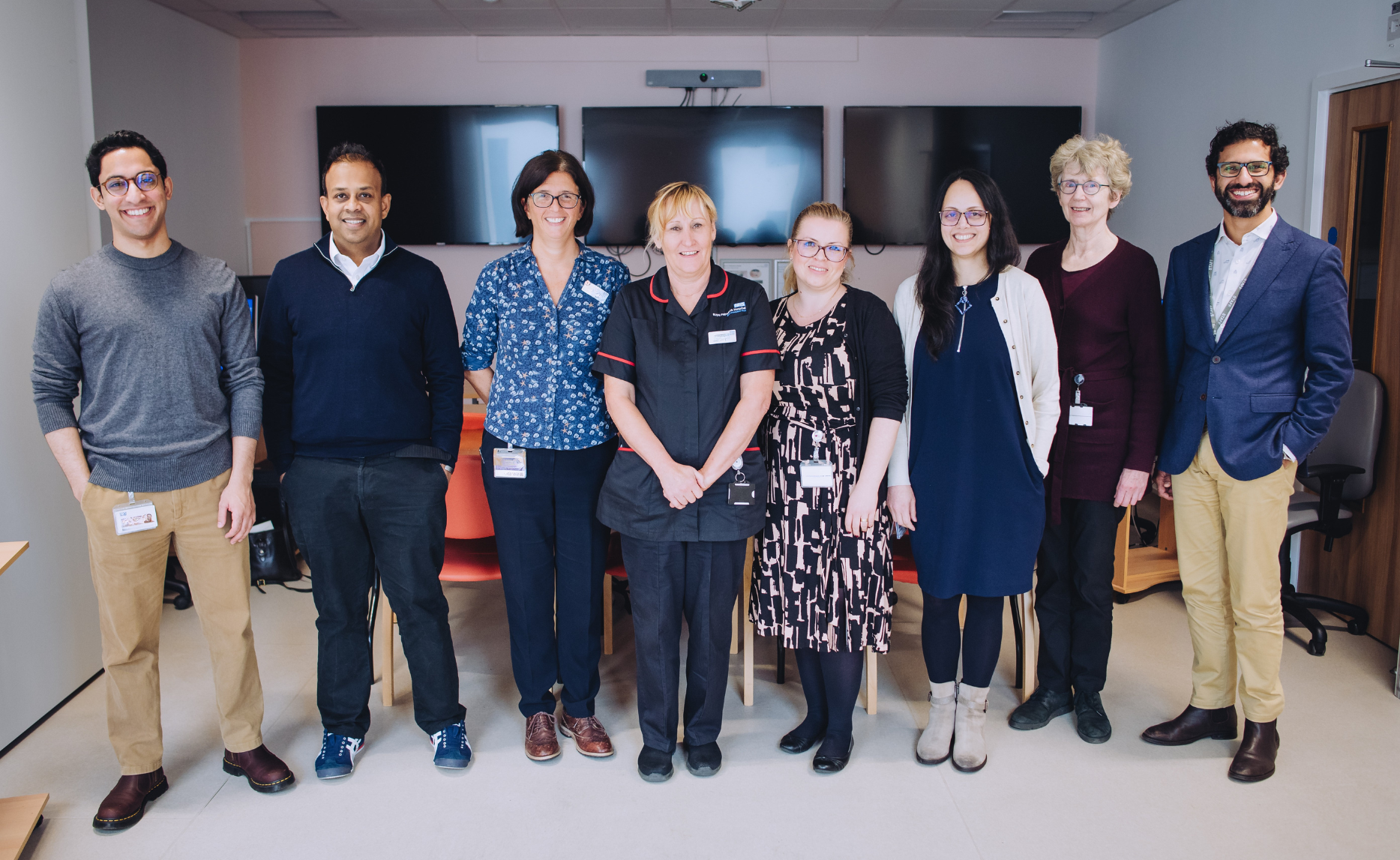
With funding from the Innovation for Healthcare Inequalities Programme (InHIP), the project sought to address local inequalities in access to healthcare by establishing a virtual regional multidisciplinary team (MDT). Facilitated by Royal Papworth Hospital NHS Foundation Trust, with support from the East of England Respiratory Clinical Network’s ILD steering group, the project piloted monthly MDT meetings over a year. These meetings enabled local clinicians to review patients with regional specialists, support earlier diagnosis and improve ongoing care for people with suspected or confirmed ILD.
The project provided an opportunity to test a new, shared-care approach for ILD patients across the East of England. By introducing a regional virtual MDT, it strengthened multidisciplinary collaboration across care settings, reducing the need for patients to travel, enabling more timely diagnosis, and improving access to specialist treatments and medicines where needed. Working closely with the East of England Respiratory Clinical Network and colleagues at Royal Papworth Hospital and across the region, Health Innovation East funded and helped mobilise the project helping to build the case for change enabling sustainable, long-term funding to be secured.
What is InHIP
The Innovation for Healthcare Inequalities Programme (InHIP) was a collaboration between NHS England’s Accelerated Access Collaborative (AAC), the National Healthcare Inequalities Improvement Programme and the Health Innovation Network delivered in partnership with Integrated Care Systems (ICS). The aim was to enable systems to generate evidence and pilot new approaches to accelerate access to NICE approved innovations that address the clinical priorities within the national Core20PLUS5 strategy. Health Innovation East directly supported the national network programme from October 2023 with four projects delivered in Wave 1, and six projects including the regional MDT delivered in Wave 2. This more local programme, commenced in April 2024 aligned with our commitment to tackling health inequalities by helping the best innovations in health and care reach the people, places and problems where they bring most benefit.
The East of England Respiratory Clinical Network provided the project management for this project and convened twice-monthly meetings to shape the project plan and develop a logic model with Royal Papworth Hospital and Health Innovation East. These regular catch-ups continued throughout the MDT set-up phase, helping to keep funding, governance and reporting on track. Once the MDT was established, meetings moved to a monthly schedule, taking place in the week prior to each MDT meeting.
Impact
The project enabled the provision of care closer to home and helped reduce health inequalities by addressing significant geographic variation in access to ILD services across the region.
The pilot finished in October 2025. Over the 12-month period, 157 patients were discussed through the regional MDT – well above the original target of 96. Patients benefited through improved treatment options and, in many cases, reduced travel time.
The MDT discussions led to positive clinical outcomes. Following specialist radiology review, 73% of patients experienced a change or confirmation diagnosis. This, in turn, resulted in changes to medical treatment for 74% of patients, with 41% identified as suitable for antifibrotic therapies.
Approximately two-thirds of local trusts participated in or referred patients to the pilot, demonstrating the strong collaborative and region-wide nature of the initiative.
Importantly, 29% of patients were able to continue with a new treatment plan at their local hospital, avoiding unnecessary travel to Royal Papworth Hospital. This also helped free up specialist clinic capacity for patients who required care at the tertiary centre.
Next steps
Following the success of the pilot, ongoing funding has been secured from NHS Specialised Commissioning to establish the regional MDT service at Royal Papworth Hospital on a permanent basis, giving patients ILD more equitable access to care.
You might also like…

Improving care for patients with interstitial lung disease
Health Innovation East collaborated with the NHS England East of England Antimicrobial Stewardship (AMS) team to develop a virtual escape room promoting AMS awareness and education among prescribers and healthcare professionals.