Insight
Martha’s Rule is a patient safety initiative to support the early detection of deterioration by ensuring the concerns of hospital in-patients, families, carers and staff are listened to and acted upon.
Recognising that those who know the patient best may be the first to notice changes that could be an early sign of deterioration, Martha’s Rule empowers patients, carers and staff to voice their concerns. Central to Martha’s Rule is the right for patients, families and carers to request an independent review if they are worried that a patient’s condition is getting worse, and their concerns are not being responded to when escalated at a ward level.
Martha’s Rule was developed in response to the death of Martha Mills who died in 2021 after developing sepsis in hospital. Martha’s family’s concerns about her deteriorating condition were not responded to, and in 2023 a coroner ruled that Martha, aged 13, would probably have survived had she been moved to intensive care earlier.
Martha’s Rule is being implemented in both adult and children’s acute inpatient settings in England.
The three core components of Martha’s Rule
– Patients will be asked, at least daily, about how they are feeling, and if they are getting better or worse, and this information will be acted on in a structured way.
– All staff will be able, at any time, to ask for a review from a different team if they are concerned that a patient is deteriorating, and they are not being responded to.
– This escalation route will also always be available to patients themselves, their families and carers and advertised across the hospital.
Intervention
As the implementation partner for Martha’s Rule, the Health Innovation Network supports its delivery through the regional Patient Safety Collaboratives. In the East of England, Health Innovation East has been working with NHS hospitals to test, implement and share learning to help shape national policy on Martha’s Rule.
Initial scoping work for Martha’s Rule began in May 2024, by gaining insight into trusts’ current care provision for critical outreach. Health Innovation East has since worked with acute trusts in the region to pilot and implement Martha’s Rule with 18 trusts having now having implemented Martha’s Rule in adult and paediatric areas.
In 2025–26, we have been supporting staff across the region to embed Martha’s Rule into everyday practice. This has included encouraging innovative approaches to promoting the programme, engaging wider stakeholder groups – from wards to departmental teams – to integrate it into their workspaces, and finding ways to educate staff at all levels to ensure it is accessible to everyone. Staff have also been exploring how local data can be collected and analysed to celebrate good practice and shifting the focus from simply testing the three components of Martha’s Rule to actively implementing them in their day-to-day work.
We have submitted 13 case studies from across the East of England to NHS England colleagues to help shape future development of Martha’s Rule, highlighting the implementation and use of Martha’s Rule. These case studies span all three components of the programme and incorporate lived experiences, including nurses using the escalation pathway, relatives making a Martha’s Rule escalation call, and reflections on how the Patient Wellness Questionnaire supports staff in articulating concerns.
In addition, we have worked closely with hospital sites to collect and present local data to inform practice and ensure processes are fit for purpose. This data is shared with NHS England to support the ongoing development and refinement of the programme.
Impact
Between September 2024 and February 2026, 1,708 Martha’s Rule escalation calls were made in the East of England (1). Across NHS England during the same period, a total of 12,301 calls were received. Of these 33% related to acute deterioration; among this group, 13% required transfers of care to intensive care unit (ICU) or High Dependency Unit (HDU), enhanced levels of care, a tertiary (specialist) centre, or referral or transfer to specialist services or wards. A further 44% resulted in other changes to treatment.
These data demonstrate the scale and clinical impact of Martha’s Rule escalation calls across NHS England. The following two patient case studies illustrate how these escalations translate into real-world clinical decision-making, highlighting their role in identifying acute deterioration and enabling timely changes in care.
Martha’s Rule in Action: Elaine and Diane's story
When Elaine, 81, suffered a stroke in hospital after breaking her leg, her daughter, Diane, noticed subtle changes and used Martha’s Rule to escalate her concerns. The rapid response team acted within minutes, enabling urgent treatment. Thanks to the swift intervention, Elaine fully recovered, highlighting the life-saving impact of listening and addressing relatives’ concerns.
Read more
Martha's Rule in Action: Daniel's story
During a hospital stay, three-year-old Daniel’s mum and nan felt their concerns about his care were being overlooked. Unsure what to do, a relative invoked Martha’s Rule. An outreach nurse responded, providing a safe space for Daniel’s mum to voice her worries. This intervention improved communication between the family and ward staff, and a new care plan was put in place to better support Daniel during future admissions.
Read more
Next steps
Health Innovation East will continue to support trusts in the region over the next year – supporting sites to consider how the programme will become sustainably embedded into clinical practice and to spread Martha’s Rule into specialist areas such as emergency departments and maternity and neonatal care.
We are also leading a structured judgement review to obtain some early thematic analysis of a subset of calls. This review provides an opportunity to explore assumptions around the potential benefits and gain early insights into the breadth of impact on patients, staff and process of implementing Martha’s Rule.
You might also like…
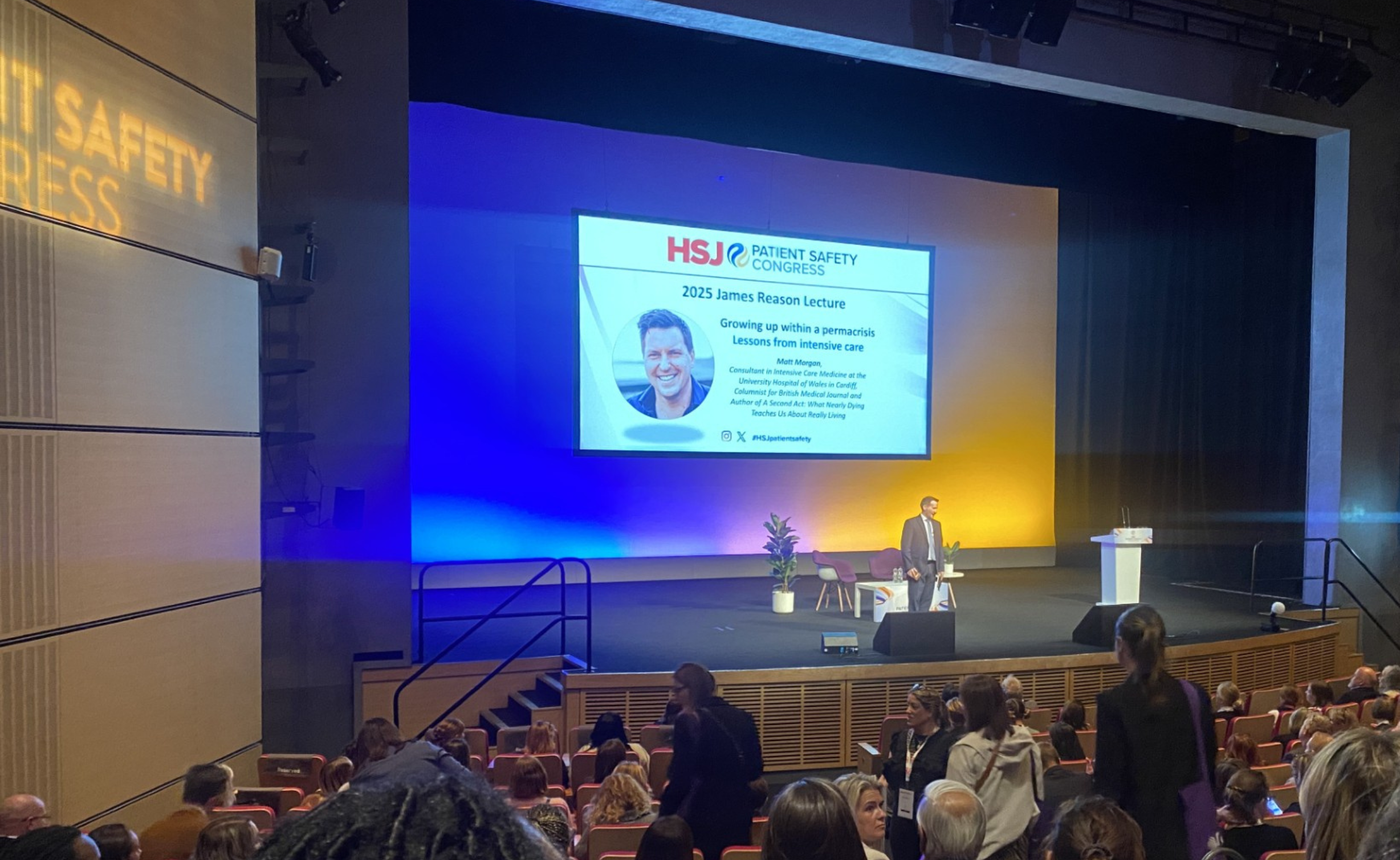
Listening, escalating, acting: turning concern into safer care
Our patient safety team at Health Innovation East share their key takeaways from the 2025 HSJ Patient Safety Congress.
Read more